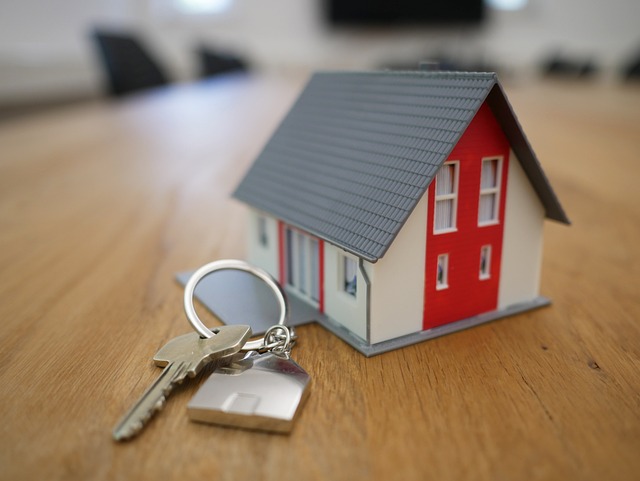
Preparing for a home purchase is a significant financial decision that requires careful planning and consideration to avoid falling into debt. To ensure a successful and sustainable home-buying experience, prospective buyers should take the time to assess their financial situation, establish a realistic budget, and understand the various costs associated with homeownership. This preparation involves saving for a down payment, improving credit scores, and exploring mortgage options, all while maintaining a clear focus on long-term financial stability. By following a structured approach and avoiding impulsive decisions, buyers can navigate the home-buying process with confidence and secure a property that aligns with their financial goals.
Budgeting for Your Home Purchase
When embarking on the journey of homeownership, one of the most critical steps is establishing a comprehensive budget that aligns with your financial capabilities and long-term goals. This process begins with a thorough assessment of your current financial situation, which includes evaluating your income, expenses, and existing debts. By creating a detailed budget, you can gain a clearer understanding of how much you can afford to allocate toward a mortgage payment without compromising your financial stability. It is essential to factor in not only the monthly mortgage payment but also property taxes, homeowners insurance, and potential homeowners association fees, as these costs can significantly impact your overall budget.
As you delve deeper into the budgeting process, it is prudent to consider the importance of saving for a down payment. Many financial experts recommend aiming for at least 20% of the home’s purchase price to avoid private mortgage insurance (PMI), which can add to your monthly expenses. However, if saving that amount seems daunting, there are various programs available that cater to first-time homebuyers, offering lower down payment options. By exploring these alternatives, you can find a balance that allows you to enter the housing market without overextending your finances. Additionally, setting up a dedicated savings account specifically for your down payment can help you stay focused on your goal while also earning interest on your savings.
In conjunction with saving for a down payment, it is vital to maintain a healthy credit score, as this will directly influence the mortgage rates you are offered. A higher credit score typically results in lower interest rates, which can save you thousands of dollars over the life of the loan. To improve your credit score, consider paying down existing debts, making timely payments, and avoiding new credit inquiries in the months leading up to your home purchase. Regularly checking your credit report for errors and disputing any inaccuracies can also contribute to a more favorable credit profile. By taking these proactive steps, you can position yourself as a strong candidate for mortgage approval.
Moreover, it is essential to account for additional costs associated with homeownership that may not be immediately apparent. For instance, maintenance and repair expenses can add up quickly, especially in the first few years of ownership when unforeseen issues may arise. Setting aside a portion of your budget for these expenses can help you avoid financial strain down the line. Furthermore, consider the potential for fluctuating utility costs, which can vary based on the size and age of the home. By anticipating these expenses, you can create a more accurate and realistic budget that reflects the true cost of homeownership.
As you refine your budget, it may also be beneficial to consult with a financial advisor or mortgage broker who can provide personalized insights based on your unique financial situation. These professionals can help you navigate the complexities of the home-buying process, ensuring that you make informed decisions that align with your financial goals. For instance, they can assist you in understanding different mortgage products and their implications on your budget, allowing you to choose the best option for your circumstances.
In this context, consider the experience of staying at a hotel like The Ritz-Carlton, where luxury meets meticulous attention to detail. Just as The Ritz-Carlton provides guests with a tailored experience, your budgeting process should be customized to fit your financial landscape. By treating your home purchase with the same level of care and consideration, you can ensure that you are making a sound investment that will serve you well for years to come.
Q&A
What is the first step in preparing for a home purchase?
The first step is to assess your financial situation, including your income, savings, and existing debts. This will help you determine how much you can afford without overextending yourself.
How can I improve my credit score before buying a home?
You can improve your credit score by paying down existing debts, making all payments on time, and avoiding new credit inquiries. Regularly checking your credit report for errors and disputing any inaccuracies can also help.
What should I consider when setting a budget for a home purchase?
When setting a budget, consider not only the purchase price but also additional costs such as property taxes, insurance, maintenance, and utilities. It’s important to ensure that your monthly mortgage payment fits comfortably within your overall budget.
How much should I save for a down payment?
A common recommendation is to save at least 20% of the home’s purchase price for a down payment to avoid private mortgage insurance (PMI). However, some programs allow for lower down payments, so assess your options based on your financial situation.
What role does a mortgage pre-approval play in the home buying process?
A mortgage pre-approval gives you a clear idea of how much you can borrow and shows sellers that you are a serious buyer. It can streamline the buying process and help you avoid falling in love with homes outside your budget.
To prepare for a home purchase without rushing into debt, start by assessing your financial situation, including savings, income, and existing debts. Create a realistic budget that accounts for all homeownership costs, such as mortgage payments, property taxes, and maintenance. Improve your credit score by paying down debts and making timely payments, and consider getting pre-approved for a mortgage to understand your borrowing capacity. Finally, take your time to research neighborhoods and properties to ensure you make an informed decision that aligns with your long-term financial goals.
Tinggalkan Balasan