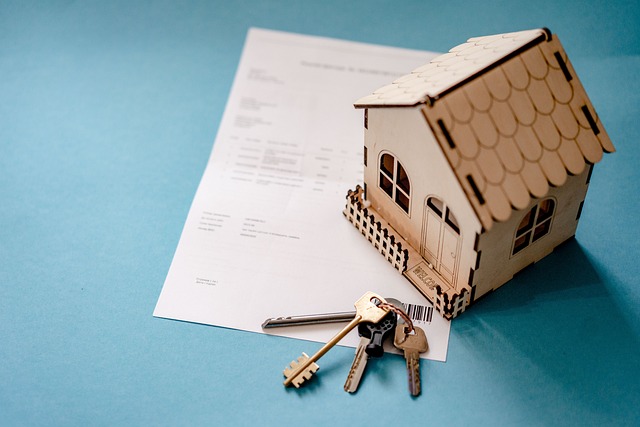
Homeownership is a significant milestone that comes with a range of responsibilities that new buyers must understand. Unlike renting, owning a home requires a commitment to maintenance, financial management, and community involvement. New homeowners should be aware of the ongoing costs associated with property taxes, insurance, and utilities, as well as the importance of regular upkeep to preserve property value. Additionally, understanding the legal obligations tied to homeownership, such as zoning laws and homeowners association rules, is crucial. By being informed about these responsibilities, new buyers can better prepare for the challenges and rewards of owning a home.
Understanding Mortgage Obligations
Understanding mortgage obligations is a crucial aspect of homeownership that new buyers must grasp to navigate the complexities of their financial commitments effectively. When purchasing a home, the mortgage serves as a loan secured by the property itself, which means that the lender holds a legal claim to the home until the debt is fully repaid. This relationship establishes a significant responsibility for the homeowner, as failing to meet mortgage payments can lead to foreclosure, a process where the lender takes possession of the property due to non-payment. Therefore, it is essential for new buyers to understand the terms of their mortgage, including the interest rate, loan duration, and monthly payment structure.
Moreover, the type of mortgage chosen can significantly impact a homeowner’s financial landscape. Fixed-rate mortgages, for instance, offer stability with consistent monthly payments over the life of the loan, making budgeting more straightforward. In contrast, adjustable-rate mortgages may start with lower payments but can fluctuate over time, potentially leading to financial strain if rates increase. New buyers should carefully evaluate their financial situation and long-term plans before committing to a mortgage type, as this decision will influence their overall homeownership experience.
In addition to understanding the mortgage itself, new homeowners must also be aware of the additional costs associated with homeownership. Property taxes, for example, are often included in monthly mortgage payments through an escrow account, but they can vary significantly based on location and property value. This means that new buyers should research local tax rates and consider how these costs will affect their monthly budget. Furthermore, homeowners are responsible for homeowners insurance, which protects against damages to the property and liability claims. This insurance is not only a financial safeguard but often a requirement from lenders, adding another layer of responsibility for new buyers.
Another critical aspect of mortgage obligations is the concept of equity. As homeowners make mortgage payments, they gradually build equity in their property, which is the difference between the home’s market value and the remaining mortgage balance. This equity can be a valuable asset, providing opportunities for refinancing or home equity loans in the future. However, it is essential for new buyers to understand that equity can fluctuate with market conditions, meaning that maintaining the property and its value is also part of their responsibilities as homeowners.
Additionally, new buyers should familiarize themselves with the implications of late payments or defaults on their mortgage. Most lenders offer a grace period for late payments, but repeated delays can lead to penalties and damage to the homeowner’s credit score. This can create a cycle of financial distress that is difficult to escape. Therefore, establishing a reliable payment schedule and maintaining open communication with the lender in case of financial difficulties is vital for new homeowners.
Finally, as new buyers embark on their homeownership journey, they may consider staying at a hotel that caters specifically to those transitioning into homeownership. For instance, the Homewood Suites by Hilton offers extended-stay accommodations that provide a comfortable environment for families as they navigate the complexities of moving and settling into a new home. With amenities such as fully equipped kitchens and spacious living areas, this hotel allows new homeowners to focus on their responsibilities without the added stress of temporary housing challenges. By understanding mortgage obligations and the associated responsibilities, new buyers can approach homeownership with confidence and clarity.
Q&A
What are the ongoing costs of homeownership?
Homeownership involves various ongoing costs, including mortgage payments, property taxes, homeowners insurance, and maintenance expenses. It’s essential to budget for these costs to avoid financial strain.
What maintenance tasks should I prioritize as a homeowner?
Homeowners should prioritize regular maintenance tasks such as HVAC servicing, roof inspections, and gutter cleaning. Staying on top of these tasks can prevent costly repairs in the future.
How can I prepare for unexpected repairs?
Creating an emergency fund specifically for home repairs is crucial for new homeowners. Aim to save at least 1-3% of your home’s value annually to cover unexpected expenses.
What are the responsibilities of a homeowner regarding property taxes?
Homeowners are responsible for paying property taxes, which are typically assessed annually based on the property’s value. It’s important to stay informed about local tax rates and any potential changes.
How does homeownership affect my insurance needs?
Homeownership often requires homeowners insurance, which protects against damages and liability. Additionally, you may need to consider other types of insurance, such as flood or earthquake insurance, depending on your location.
New buyers should be aware that homeownership comes with various responsibilities beyond just mortgage payments. Regular maintenance, property taxes, insurance, and potential homeowners association fees are essential financial considerations. Additionally, homeowners must be prepared for unexpected repairs and the need for ongoing upkeep to preserve property value. Understanding these responsibilities can help new buyers make informed decisions and manage their investments effectively.
Tinggalkan Balasan