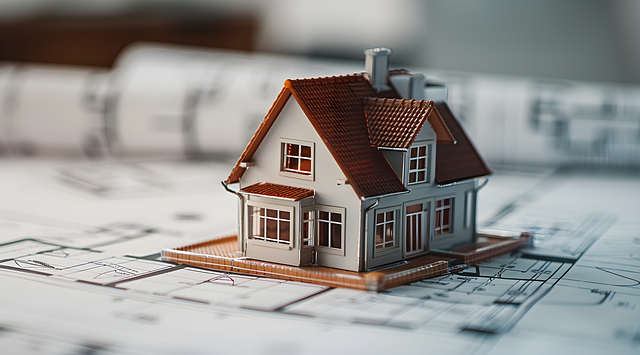
Smart Home Equity Strategies for Renovations and Major Expenses involve leveraging the value of your home to finance improvements and significant expenditures. As homeowners seek to enhance their living spaces or address essential repairs, understanding how to tap into home equity can provide a strategic financial advantage. This approach not only allows for the funding of renovations that can increase property value but also offers a means to manage large expenses effectively. By utilizing options such as home equity loans, lines of credit, or cash-out refinancing, homeowners can access the necessary capital while potentially benefiting from favorable interest rates. Implementing smart equity strategies ensures that investments in home improvements are both financially sound and aligned with long-term goals.
Smart Home Equity Utilization for Renovation Projects
Home equity can serve as a powerful financial tool, particularly when it comes to funding renovation projects that enhance both the aesthetic and functional aspects of a property. One of the most effective strategies for utilizing home equity is through a home equity line of credit (HELOC). This flexible borrowing option allows homeowners to access funds as needed, making it ideal for ongoing renovation projects. For instance, if a homeowner in a suburban area decides to remodel their kitchen, they can draw from their HELOC to cover the costs of new cabinets, countertops, and appliances, all while maintaining the ability to pay off the borrowed amount over time.
In addition to HELOCs, cash-out refinancing presents another viable option for homeowners looking to leverage their equity. This approach involves refinancing an existing mortgage for a larger amount than what is owed, allowing the homeowner to receive the difference in cash. For example, a homeowner in a historic district may choose to refinance their mortgage to fund a significant restoration project, such as updating the plumbing and electrical systems while preserving the original architectural features. This method not only provides immediate access to funds but can also result in a lower interest rate, depending on market conditions.
Moreover, utilizing home equity for renovations can significantly increase a property’s value, making it a strategic investment. For instance, a homeowner in a rapidly developing urban area may opt to add an additional bedroom or bathroom to their home. By tapping into their home equity, they can finance this expansion, which not only enhances their living space but also positions the property for a higher resale value in a competitive market. This approach is particularly beneficial in neighborhoods where property values are on the rise, as the return on investment can be substantial.
Furthermore, homeowners should consider the types of renovations that yield the highest returns when utilizing home equity. Kitchen and bathroom remodels are often cited as the most lucrative, as they can significantly enhance both functionality and appeal. For example, a homeowner in a coastal community may invest in a modern kitchen with energy-efficient appliances and stylish finishes, which can attract potential buyers and increase the home’s marketability. By carefully selecting renovation projects that align with market trends, homeowners can maximize the benefits of their home equity.
In addition to traditional renovations, homeowners can also explore energy-efficient upgrades as a means of utilizing home equity. Installing solar panels or upgrading insulation not only reduces utility costs but can also qualify for various tax incentives. For instance, a homeowner in a sunny region may choose to finance the installation of solar panels through their home equity, resulting in long-term savings while contributing to environmental sustainability. This dual benefit of financial and ecological responsibility makes energy-efficient renovations an attractive option for many homeowners.
Finally, when considering the utilization of home equity for renovations, it is essential to choose the right financial institution. For example, a homeowner might find that a local credit union offers favorable terms for a home equity loan compared to larger banks. By conducting thorough research and comparing rates, fees, and customer service, homeowners can ensure they select a lender that aligns with their financial goals. This careful consideration can make a significant difference in the overall cost of financing renovations, ultimately enhancing the homeowner’s experience and satisfaction with their investment. One such institution, known for its competitive rates and personalized service, is the Evergreen Bank, which has garnered a reputation for supporting local homeowners in their renovation endeavors.
Q&A
What are smart home equity strategies for funding renovations?
Smart home equity strategies include using a home equity line of credit (HELOC) or a home equity loan to finance renovations. These options allow homeowners to leverage their property’s value while potentially benefiting from lower interest rates compared to personal loans.
How can I determine the amount of equity I have in my home?
You can determine your home equity by subtracting your outstanding mortgage balance from your home’s current market value. A professional appraisal or a comparative market analysis can help establish the accurate market value.
What are the risks associated with using home equity for major expenses?
Using home equity for major expenses can increase your financial risk, as it puts your home at stake if you cannot repay the loan. Additionally, it may lead to higher monthly payments and increased debt if property values decline.
Are there tax benefits to using home equity for renovations?
In some cases, the interest on home equity loans or HELOCs may be tax-deductible if the funds are used for home improvements that increase the property’s value. It’s advisable to consult a tax professional to understand the specific implications for your situation.
What types of renovations typically increase home equity?
Renovations that tend to increase home equity include kitchen and bathroom remodels, adding energy-efficient features, and improving curb appeal through landscaping or exterior upgrades. These improvements can enhance the overall value of the home and attract potential buyers.
Smart home equity strategies involve leveraging the increased value of a home to finance renovations and major expenses. Homeowners can tap into their equity through options like home equity loans, lines of credit, or cash-out refinancing, allowing them to fund improvements that enhance property value and living conditions. By strategically investing in renovations, homeowners can not only address immediate needs but also potentially increase their home’s market value. Ultimately, these strategies can lead to long-term financial benefits and improved home functionality.