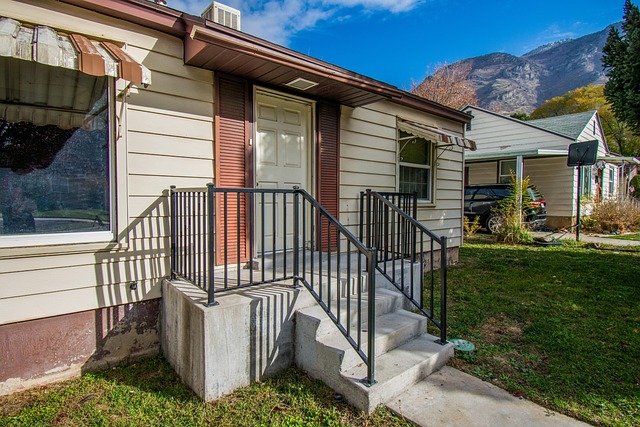
Buying a home is one of the most significant financial decisions many people will make in their lifetime. However, the process can be fraught with challenges that may lead to costly mistakes and stress. Early planning is essential to navigate these common pitfalls effectively. By anticipating potential issues such as budget constraints, market fluctuations, and the complexities of the mortgage process, homebuyers can position themselves for a smoother transaction. This introduction outlines key strategies for avoiding common home buying problems through proactive planning, ensuring a more successful and satisfying homeownership experience.
Understanding Your Budget
Understanding your budget is a critical first step in the home buying process, as it lays the foundation for all subsequent decisions. To begin with, it is essential to assess your financial situation comprehensively. This involves not only evaluating your income and savings but also considering your existing debts and monthly expenses. By creating a detailed budget, you can determine how much you can realistically allocate toward a mortgage payment, property taxes, and insurance. This initial assessment will help you avoid the common pitfall of overextending your finances, which can lead to stress and potential foreclosure in the future.
Once you have a clear picture of your financial standing, the next step is to explore various mortgage options. Different lenders offer a range of products, each with its own terms and interest rates. For instance, fixed-rate mortgages provide stability with consistent monthly payments, while adjustable-rate mortgages may offer lower initial rates but can fluctuate over time. Understanding these differences is crucial, as selecting the right mortgage can significantly impact your long-term financial health. Additionally, it is advisable to get pre-approved for a mortgage before you start house hunting. This not only gives you a better idea of your budget but also strengthens your position when making an offer on a property.
In conjunction with understanding mortgage options, it is vital to factor in additional costs associated with homeownership. Many first-time buyers overlook expenses such as closing costs, which can range from 2% to 5% of the purchase price. Furthermore, ongoing costs like maintenance, utilities, and homeowners association fees can add up quickly. By anticipating these expenses, you can create a more accurate budget that reflects the true cost of homeownership. This foresight will help you avoid the common mistake of underestimating the financial commitment involved in maintaining a home.
Moreover, it is beneficial to consider the long-term implications of your budget. For instance, while it may be tempting to stretch your budget to purchase a larger or more desirable home, this can lead to financial strain down the line. Instead, focus on finding a property that meets your needs without compromising your financial stability. This approach not only ensures that you can comfortably manage your mortgage payments but also allows for savings and investments in other areas of your life. By prioritizing your financial well-being, you can enjoy the benefits of homeownership without the burden of excessive debt.
As you navigate the complexities of budgeting for a home, it is also wise to seek professional advice. Engaging with a financial advisor or a real estate agent can provide valuable insights tailored to your specific situation. These professionals can help you identify potential pitfalls and offer strategies to enhance your financial readiness. For example, they may suggest ways to improve your credit score, which can lead to better mortgage rates and terms. By leveraging their expertise, you can make informed decisions that align with your financial goals.
In the heart of this financial planning journey lies the importance of choosing the right location for your new home. For instance, consider the vibrant community of Silver Lake in Los Angeles, known for its eclectic mix of culture and amenities. With its picturesque parks, trendy cafes, and proximity to downtown, Silver Lake offers a unique lifestyle that appeals to many buyers. However, it is essential to ensure that the cost of living in such desirable neighborhoods aligns with your budget. By carefully evaluating both your financial situation and the local real estate market, you can make a well-informed decision that supports your long-term happiness and financial security.
Q&A
What are the key steps in early planning for home buying?
Key steps include setting a budget, getting pre-approved for a mortgage, and researching neighborhoods. Early planning helps identify your needs and preferences, making the process smoother.
How can I determine my budget for buying a home?
To determine your budget, assess your income, savings, and monthly expenses. Consider additional costs like property taxes, insurance, and maintenance to ensure you can afford the total cost of homeownership.
Why is getting pre-approved for a mortgage important?
Getting pre-approved shows sellers you are a serious buyer and can afford the home. It also helps you understand how much you can borrow, guiding your home search effectively.
What should I research about neighborhoods before buying?
Research factors such as school quality, crime rates, amenities, and future development plans. Understanding the neighborhood can help you make an informed decision and ensure it meets your lifestyle needs.
How can I avoid unexpected costs during the home buying process?
To avoid unexpected costs, conduct thorough inspections and review all documents carefully. Set aside a contingency fund for unforeseen expenses that may arise after closing.
To avoid common home buying problems, early planning is essential. Start by establishing a clear budget and getting pre-approved for a mortgage to understand your financial limits. Research neighborhoods and property values to make informed decisions, and consider hiring a knowledgeable real estate agent to guide you through the process. By taking these proactive steps, you can minimize potential issues and ensure a smoother home buying experience.
Tinggalkan Balasan