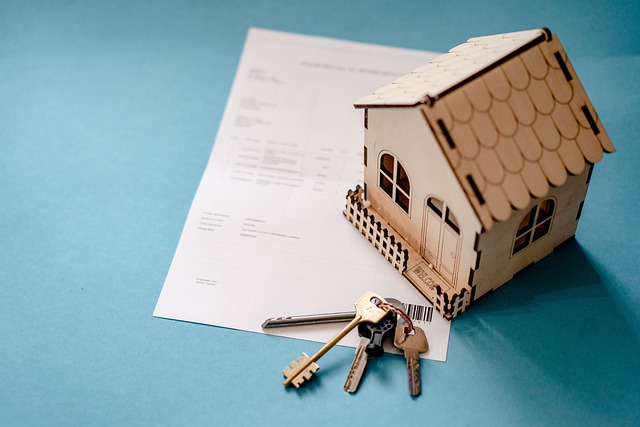
A Smart Buyer’s Guide to Understanding the Real Cost of Ownership is an essential resource for consumers looking to make informed purchasing decisions. This guide delves into the often-overlooked expenses associated with ownership beyond the initial purchase price, including maintenance, insurance, fuel, and depreciation. By providing a comprehensive analysis of these factors, the guide empowers buyers to evaluate the long-term financial implications of their investments, ensuring they choose options that align with their budgets and lifestyle needs. Whether considering a vehicle, home, or other significant assets, this guide equips readers with the knowledge to navigate the complexities of ownership costs effectively.
Hidden Costs of Homeownership
When considering the purchase of a home, prospective buyers often focus on the obvious expenses such as the mortgage, property taxes, and homeowners insurance. However, it is crucial to delve deeper into the hidden costs of homeownership that can significantly impact one’s financial landscape. For instance, maintenance and repair costs are often underestimated. Homeowners should anticipate routine upkeep, which includes everything from lawn care to plumbing repairs. A well-maintained home can prevent larger, more costly issues down the line, making it essential to budget for these ongoing expenses.
In addition to maintenance, utilities can also catch new homeowners off guard. While many buyers may have a general idea of what their monthly utility bills might be, the actual costs can vary widely based on factors such as the size of the home, local climate, and energy efficiency. For example, a larger home may require more heating in the winter and cooling in the summer, leading to higher energy bills. Furthermore, water and sewage costs can fluctuate based on usage, making it vital for buyers to research average utility costs in their prospective neighborhoods.
Another often-overlooked expense is homeowners association (HOA) fees, which can be a significant financial commitment for those purchasing property in a community governed by an HOA. These fees can cover a range of services, including landscaping, maintenance of common areas, and amenities such as pools or gyms. While these services can enhance the quality of life, they also add to the overall cost of ownership. Buyers should carefully review the HOA’s rules and regulations, as well as the financial health of the association, to ensure they are making a sound investment.
Moreover, property taxes can vary dramatically from one location to another, and they can increase over time. Buyers should investigate the property tax rates in their desired area and consider how these taxes may change in the future. In some regions, property taxes are reassessed periodically, which can lead to unexpected increases. Understanding the local tax landscape is essential for budgeting accurately and avoiding financial strain.
Insurance is another critical component of homeownership that often involves hidden costs. While homeowners insurance is a standard requirement, additional coverage may be necessary depending on the location of the property. For instance, homes in flood-prone areas may require flood insurance, which can add significantly to monthly expenses. Additionally, buyers should be aware of the potential for increased premiums based on factors such as the age of the home, its construction materials, and the local crime rate.
Finally, when considering the hidden costs of homeownership, it is essential to factor in the potential for unexpected expenses. For example, a homeowner may face sudden repairs due to natural disasters or unforeseen wear and tear. Having an emergency fund set aside for such situations can provide peace of mind and financial stability.
One exemplary location that embodies the complexities of homeownership costs is the historic district of Savannah, Georgia. Known for its charming architecture and vibrant culture, Savannah attracts many buyers. However, potential homeowners should be aware of the unique challenges associated with owning property in such a historic area. Properties may require specialized maintenance to preserve their historical integrity, and local regulations may impose additional restrictions on renovations. Therefore, understanding the full scope of ownership costs in this picturesque city is essential for anyone looking to invest in a home there.
Q&A
What is the real cost of ownership?
The real cost of ownership includes not only the purchase price of an item but also ongoing expenses such as maintenance, insurance, and depreciation. Understanding these factors helps buyers make informed financial decisions.
How can I calculate the total cost of ownership?
Total cost of ownership can be calculated by adding the initial purchase price to all expected costs over the item’s lifespan, including maintenance, repairs, and operational costs. This comprehensive approach provides a clearer picture of long-term financial commitments.
Why is it important to consider maintenance costs?
Maintenance costs can significantly impact the overall cost of ownership, especially for vehicles and appliances. Regular maintenance can prevent larger, unexpected expenses and extend the lifespan of the item.
What role does depreciation play in ownership costs?
Depreciation affects the resale value of an item, which is crucial for understanding its long-term financial impact. Knowing how much value an item is likely to lose over time helps buyers make better investment choices.
How can I find reliable information on ownership costs?
Reliable information can be found through consumer reports, manufacturer guidelines, and online calculators that estimate total ownership costs. Additionally, consulting with current owners and industry experts can provide valuable insights.
A Smart Buyer’s Guide to Understanding the Real Cost of Ownership emphasizes the importance of looking beyond the initial purchase price when evaluating a product or service. It encourages buyers to consider ongoing expenses such as maintenance, insurance, and potential depreciation. By understanding the total cost of ownership, consumers can make more informed decisions that align with their long-term financial goals. Ultimately, this approach helps buyers avoid unexpected costs and ensures they invest wisely.
Tinggalkan Balasan