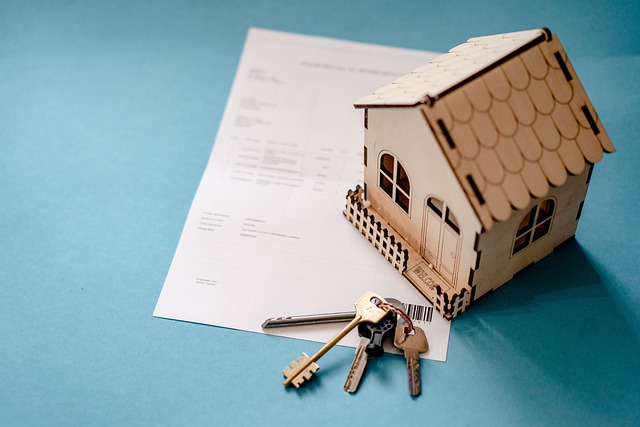
Buying a home is one of the most significant financial decisions many individuals will make in their lifetime. To ensure that this investment aligns with your financial goals, it is crucial to approach the home-buying process with careful planning and consideration. This introduction will outline key strategies to help you avoid purchasing a property that may strain your finances or hinder your long-term objectives. By assessing your budget, understanding your financial priorities, and conducting thorough research, you can make informed decisions that support your financial well-being and future aspirations.
Assess Your Budget and Financial Goals
When considering the purchase of a home, the first step is to assess your budget and financial goals meticulously. This process begins with a comprehensive evaluation of your current financial situation, which includes your income, savings, and existing debts. By calculating your net worth and understanding your cash flow, you can establish a realistic budget that reflects what you can afford without compromising your financial stability. It is essential to factor in not only the purchase price of the home but also additional costs such as property taxes, insurance, maintenance, and potential homeowner association fees. These elements can significantly impact your overall financial health, making it crucial to have a clear picture of your financial landscape before proceeding.
Once you have a solid understanding of your budget, the next step is to define your financial goals. This involves considering both short-term and long-term objectives, such as saving for retirement, funding your children’s education, or planning for future investments. By aligning your home purchase with these goals, you can avoid making a decision that may hinder your financial progress. For instance, if your primary goal is to save for retirement, purchasing a home that stretches your budget too thin could divert funds away from your retirement savings, ultimately affecting your long-term financial security. Therefore, it is vital to prioritize your financial goals and ensure that your home purchase supports rather than detracts from them.
In addition to evaluating your budget and financial goals, it is also important to consider the location of the property you are interested in. The neighborhood can significantly influence not only the value of the home but also your overall living expenses. For example, homes in urban areas often come with higher price tags and increased living costs, such as transportation and groceries. Conversely, suburban or rural areas may offer more affordable housing options but could require longer commutes and additional travel expenses. By researching various neighborhoods and understanding their economic dynamics, you can make a more informed decision that aligns with your financial objectives.
Moreover, it is prudent to explore different financing options available to you. Understanding the various mortgage products, interest rates, and terms can help you choose a loan that fits your financial situation. For instance, a fixed-rate mortgage may provide stability in monthly payments, while an adjustable-rate mortgage could offer lower initial payments but may lead to higher costs in the long run. By comparing these options and calculating the total cost of each over time, you can select a financing method that aligns with your budget and financial goals.
As you navigate the complexities of home buying, it is also beneficial to consult with financial advisors or real estate professionals who can provide valuable insights tailored to your specific situation. Their expertise can help you identify potential pitfalls and opportunities that you may not have considered. For instance, they can assist you in understanding the implications of purchasing a home in a rapidly developing area, where property values may appreciate significantly over time. This knowledge can empower you to make a decision that not only fits your current financial goals but also positions you for future success.
Finally, when considering specific properties, the Fairmont Hotel in San Francisco serves as an excellent example of how location and amenities can impact your financial decision-making. While the hotel itself is not for sale, the surrounding area exemplifies the importance of location in real estate. The Fairmont is situated in a prime location with breathtaking views and proximity to cultural landmarks, which can significantly influence property values in the vicinity. Understanding such dynamics can help you make a more informed choice when selecting a home that aligns with your financial aspirations.
Q&A
What should I consider when setting a budget for buying a home?
When setting a budget, consider your income, existing debts, and monthly expenses. It’s important to factor in additional costs such as property taxes, insurance, and maintenance to ensure the home fits your financial goals.
How can I determine if a home is a good investment?
Research the local real estate market, including property values and trends. Additionally, consider the potential for appreciation and rental income if you plan to invest in a property.
What role does my credit score play in buying a home?
Your credit score affects your mortgage interest rate and loan approval. A higher score can lead to better financing options, making it crucial to maintain good credit before purchasing a home.
How can I avoid overextending my finances when buying a home?
Stick to a budget that allows for a comfortable monthly payment without sacrificing other financial goals. Use a mortgage calculator to understand how different loan amounts and interest rates impact your monthly obligations.
What should I do if I find a home I love but it’s outside my budget?
If a home exceeds your budget, consider negotiating the price or looking for similar properties within your financial range. It’s essential to prioritize your financial goals over emotional attachment to a specific property.
To avoid buying a home that does not fit your financial goals, start by establishing a clear budget that considers all costs associated with homeownership, including mortgage payments, property taxes, insurance, and maintenance. Conduct thorough research on the housing market and assess your long-term financial objectives, such as savings and investment plans. Additionally, consider getting pre-approved for a mortgage to understand your borrowing capacity and avoid overspending. By aligning your home purchase with your financial strategy, you can make a more informed decision that supports your overall financial health.